David Attenborough over het belang van publieke televisie.
As we were saying earlier, how can you be a competent member of a democratic society, with a right to vote, and have no conception of or no basis for understanding the technology on which the whole of your society is built, from the food you eat and the schools you go to, to the way you move, the way you communicate, the way you look after your kids, the way you read at night? All these decisions are fundamentally scientifically based.
Now, if a public-service broadcasting organisation has any responsibility, then it must be in these areas where it doesn’t necessarily make a financial profit to talk about it.
Science is an obvious example. We spend a lot of time saying, “Oh yes, it’s very accessible and very exciting” – but it’s not always accessible, it’s not always exciting, and it’s quite easy to be boring about. It is the job and responsibility of the broadcaster to deal with these problems and make sure it’s available to everybody. I really feel very powerfully about that. If the BBC as a public-service organisation allowed its scientific output to dwindle, then it ought to be a national scandal.
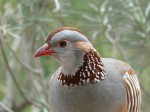 De patrijs is een standvogel die leeft in open agrarisch gebied, heidevelden en hoogvenen. Hij heeft zich heel goed aangepast aan het leven in een klein agrarisch landschap. Je vindt hem dan ook vooral in akkerland waar nog onkruiden groeien, in weiden met hagen, op dijken die met bloemen begroeid zijn, vooral als dat ook nog eens wordt afgewisseld met slootranden en houtwallen. Hij eet zowel plantaardig als dierlijk voedsel. Zijn nest maakt hij op de grond, in een dichte begroeiing.